If you’ve been waking up between 2-4. AM lately feeling simultaneously exhausted and annoyingly alert while craving carbs and side-eyeing anyone who chews food near you… your physiology may be trying to tell you something.
There’s a weird thing happening online right now where cortisol has become the villain for basically everything.
And listen… cortisol is important! If you've been here a while, you know it's a big part of what I help women with. But the conversation around it has gotten SO flattened lately, and it drives me a bit nuts.
I keep seeing women being told to avoid anything remotely stressful. No fasting. No cold exposure. No HIIT. No intense exercise. No pushing themselves physically. No discomfort ever. The female body is being talked about online like it’s this fragile little thing that can’t adapt to challenge without immediately falling apart hormonally, and that’s just not true.
The problem with that messaging is women then miss out on the benefits of these things too. Better insulin sensitivity. Better mitochondrial function. Better metabolic flexibility. Better resilience. Better body composition. Better energy. Better aging outcomes. We deserve those benefits too, don't we?! (Of course we do!) We just need to understand that female physiology is different and the application may need to be different.
Cold exposure is a perfect example. A protocol built around a 24-year-old guy named Bryce who listens to OptimizeBiohackingMaxxing podcast clips while dry scooping pre-workout and sleeping 5 hours a night maybeeee shouldn’t automatically become the protocol for a 47-year-old perimenopausal woman juggling stress, blood sugar swings, poor sleep, and three kids. 😂 (Seriously ... we know we get solid adaptations at a higher temperature for cold exposure than men's equivalent, and that's just 1 variable).
This is where nuance matters, and unfortunately, nuance is dying on the internet lately.
Especially now that people can type a prompt into AI and suddenly sound wildly confident while giving incomplete, wrong, or outdated information that sounds scientific enough to convince people they know what they’re talking about.
Ugh.
Women’s physiology done well is very, “it depends.” Cycle phase matters. Recovery matters. Blood sugar. Sleep. Overall stress load and capacity. Perimenopause / menopause changes things. Nutrient status matters. Nervous system state matters. A woman doing intense exercise sprinkled into her week while sleeping 8 hours, eating enough protein, recovering well, and supporting blood sugar is very different physiologically than someone running on caffeine until 2 PM, under-eating calories and carbs, sleeping 5 hours, and watching the news 8 times a day.
Cortisol itself is not bad. Cortisol is a survival hormone. It helps regulate blood sugar, blood pressure, inflammation, energy production, wakefulness, circadian rhythm, and immune function. You actually WANT healthy cortisol. You want it elevated in the morning so you feel awake and functional and motivated to exist as a human being. Then ideally it gradually lowers throughout the day so the body feels safe enough to rest and recover later at night.
That daily rise-and-fall pattern is key.
When cortisol rhythm gets dysregulated for long enough, women often start noticing this cluster of symptoms that doesn’t always feel connected at first -- feeling exhausted but wired at the same time, waking up between 2-4 AM, crashing in the afternoons, anxiety that feels incredibly physical, feeling overstimulated by normal life, shallow breathing, poor stress tolerance, cravings, worsening PMS, belly fat that seem impossible to budge, brain fog, heart palpitations, feeling on edge constantly, workouts feeling harder to recover from, and this general sense of their body not responding the way it used to.
One of the biggest things women miss here is how connected cortisol is to blood sugar.
When blood sugar drops too low, cortisol helps bring it back up because your brain needs glucose to survive. So if someone is under-eating, skipping meals, overtraining, living on caffeine, chronically stressed, not sleeping enough, or constantly riding that adrenaline-wave energy, cortisol may stay elevated more often because the body perceives instability.
This is also part of why cortisol gets tied into insulin resistance, prediabetes, PCOS, and abdominal fat storage. The body becomes more likely to store energy centrally when it perceives stress, unpredictability, or resource instability over time.
Something else that gets missed a lot is how much cortisol impacts fluid balance + vascular function. This is a big reason women under chronic stress start feeling puffy, swollen, inflamed, or like their body composition changed overnight. Cortisol interacts with aldosterone (which regulates sodium + water retention), blood vessel tone, circulation, and endothelial permeability — basically how easily fluid shifts in and out of tissues. When stress is prolonged, you can end up with more fluid being pushed into tissues instead of staying properly regulated in the bloodstream, which shows up as morning face puffiness, tighter rings during walks, abdominal bloating, and that 'soft / inflamed' feeling after poor sleep, travel, intense training, or higher sodium meals. And a lot of women mistake that as fat gain — but physiologically, it’s often stress chemistry + inflammation + recovery debt showing up as temporary fluid redistribution. This is also where a lot of “detox” behaviors backfire (over-restricting food, dehydration, over-exercising, trying to sweat everything out), because the body responds better to stability and adequate recovery than more stress.
And cortisol sits pretty high up in the hormone cascade, meaning it influences a LOT downstream. Thyroid function. Sex hormones. Blood sugar regulation. Inflammation. Sleep quality. Appetite regulation. This is why women often feel like everything is suddenly off at once.
And hardly any healthcare professionals will actually connect all the dots across all systems holistically, because that's not how they were trained and that's not how the system is set up.
I had a functional doctor once tell me my cortisol was higher than she had ever seen in anyone before. Not exactly the achievement badge I was hoping to collect... EVER. 😂 Looking back though, it made complete sense. I was overtraining, under-recovering, running on adrenaline, living in chronic stress, working overnights in a clinical setting, blood sugar all over the place, constantly pushing, constantly “on,” constantly in go-mode.
At the time I was also dealing with PCOS (PMOS), insulin resistance, prediabetes, and hypothyroidism — all of which I’ve since naturally reversed to the point that I no longer meet diagnostic criteria for any of them.
But it required understanding physiology differently! And doing things counter to what the professionals said. It wasn't just eat less and move more. It wasn't just “reduce stress.” It wasn't a blanket, "balance your hormones" thing.
I had to understand circadian rhythm, actual recovery, blood sugar regulation, nervous system state, breathing patterns, muscle mass, stress adaptation, sleep quality, and how women’s physiology responds to different inputs on a cellular level.
One of the most interesting rabbit holes in all of this is breathing and CO2 tolerance.
Most people think oxygen issues are about oxygen. A lot of the time they’re actually about carbon dioxide tolerance. CO2 helps release oxygen from hemoglobin into tissues. When people chronically over-breathe — which is incredibly common in stress and anxiety states — they can blow off too much CO2, which may contribute to feelings of air hunger, anxiety, dizziness, panic sensations, poor exercise tolerance, and poor stress resilience.
This is where the BOLT test can help. It’s a simple and accessible way to look at CO2 tolerance and breathing efficiency. It's not used as a diagnosis, but as another window into nervous system patterns and stress physiology. I shared about how to do that here in this post.
Nervous system regulation is another thing that gets turned into vague internet fluff lately when it’s actually deeply physiological. It doesn't mean, "just be calm all the time." I mean, what?! Doesn't make sense and not possible anyway (have you seen .... things?!)
Nervous system regulation is breathing patterns. Blood sugar stability. Vagal tone. Sleep timing. Light exposure. Recovery. Safety signals. How the brain interprets stress. Whether the body feels like it’s constantly preparing for threat. And if your body responds appropriately -- fight or flight when someone nearly crashes into you on the highway, but back to calm within a few minutes. THAT is nervous system regulation. Appropriate and adaptive.
And interestingly enough, short intentional stressors can often LOWER baseline cortisol over time when appropriately dosed. This is the entire concept of hormesis and adaptation. Strategic stress with adequate recovery often makes the system more resilient, not less.
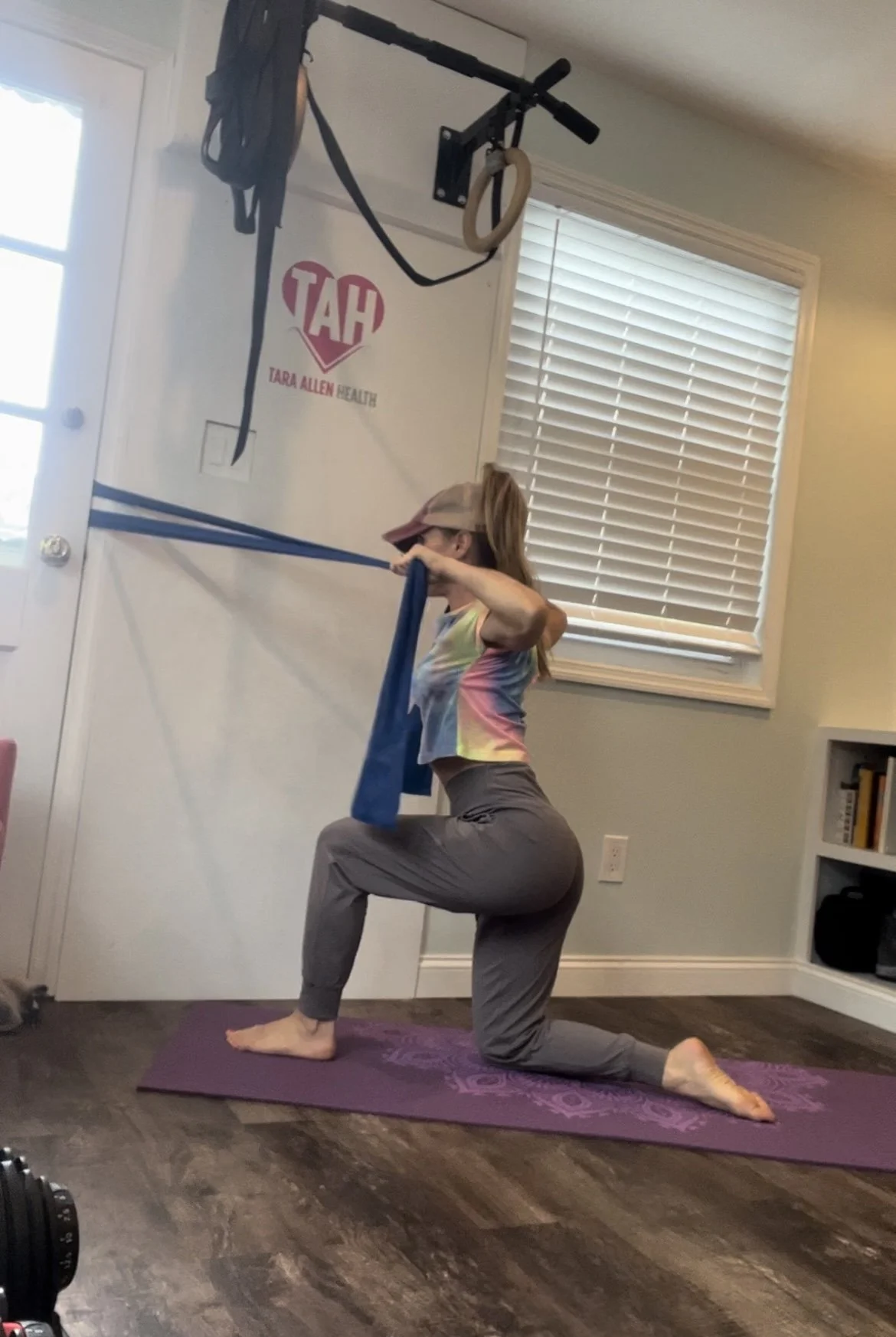
Strength training can improve stress resilience. Cold exposure can improve immune resilience. Intervals can improve insulin sensitivity and metabolic flexibility. And more.
(This was oversimplified b/c geez ... I can be so freaking long-winded!)
The goal isn’t removing all stress from life. The goal is improving adaptability. That’s a very different conversation.
Now… testing. This part gets complicated because cortisol fluctuates naturally throughout the day, so a single blood draw only captures one moment in time. Salivary testing can sometimes show rhythm patterns more clearly across the day, but results can still be influenced by sleep, illness, caffeine, medications, stress, cycle phase, timing, and lifestyle variables. Urine testing may add additional context in some cases, but none of these are perfect.
And unfortunately, some functional testing isn’t always covered by insurance because it exists outside standard conventional care models.
This is also why symptoms and patterns matter so much. I’ve seen women with so-called-normal cortisol labs who were very clearly physiologically struggling. And I’ve seen women improve massively not by removing every stressor from life, but by improving recovery, blood sugar regulation, sleep, nervous system flexibility, muscle mass, resilience, and overall metabolic health.
So what actually helps here is usually unsexy consistency. Make sure you’re actually eating enough overall — especially protein at most meals (roughly 30–40g is a helpful anchor for a lot of women). No steep calorie deficits. Don’t let the day turn into caffeine + adrenaline + “I forgot to eat until 3 PM” if you’re already waking at night or feeling wired / tired. Build muscle a few times per week so your body has a reason to improve glucose handling and stop behaving like it’s in scarcity mode. Walk daily, especially after meals if you can, because it’s one of the easiest ways to improve blood sugar without stressing your system more. Get morning light fairly early in the day to help anchor your circadian rhythm. And protect sleep like it’s the ginormous foundation it is — because under-recovered women just keep digging the hole deeper. The goal is reducing the constant physiological noise so your body can stop acting like it’s under threat all the time.
Some women also find a few well-chosen support tools helpful during higher-stress seasons — just as a buffer while the foundation improves. Things like magnesium glycinate for sleep and recovery, L-theanine for smoothing the caffeine/stress response, or ashwagandha to help modulate a chronically elevated stress load can be supportive in the background. The goal is never to rely on supplements instead of physiology — it’s to give the system a little more breathing room while the bigger pieces (food, sleep, muscle, stress, recovery) are getting back in place.
This whole space — women’s physiology, metabolism, cortisol, body composition, stress adaptation, hormones, behavior patterns, nervous system regulation — is basically my Roman Empire. I love this stuff so much because when women finally understand WHY their body has been responding the way it has, everything starts making more sense and there’s so much less fear around it. Plus, they start to trust that their body has actually been on their side the whole time and that allows the most beautiful progress.
Speaking of progress, I have a membership called The Metabolic Edge. I open it once a month only. Enrollment is officially open today and tomorrow, and this is exactly the kind of work we do inside.
The Metabolic Edge is my membership community for women who are tired of trying to piece together random health advice from 42 different people online and want one place where things actually connect. Workouts. Meals. Metabolism. Fat loss. Perimenopause. Cortisol. Nutrition. Blood sugar. Nervous system regulation. Mindset. Real-life consistency. It all works together because your body works together.
And one of the things women tell me over and over inside is that it finally feels manageable.
We're not doing overwhelm 'round here, ok? Ok! We're not obsessive. Indulgences are encouraged. So are real, healthy, VIBRANT results.
Most women inside are 35-60+ and they’re rebuilding trust with their bodies again. They want energy back. They want strength back. They want to stop feeling like they’re fighting themselves all day. They want workouts that build instead of deplete and can be done in 30-40 minutes. They want food to feel simpler. They want to understand what’s happening physiologically instead of blaming themselves constantly.
And they want support while they’re doing it.
That’s what this space is! You can join for $59 / month, no contract, cancel anytime, and start wherever feels most helpful for you. Doors close tomorrow night. Would love to have you inside! LEARN MORE AND JOIN HERE. <3
Stay wild + well,
Tara
P.S. In case you missed it:
My (maybe controversial?) take on how to improve the healthcare system
Update: I'll be taking my exam next month to become a Certified Menopause Practitioner through The Menopause Society and holy wow ... it's quite the monster of a vetting process to get this certification. I'm deep in studying daaaaaily and cannot WAIT to be able to serve the peri / menopause women even better. Fingers crossed!
P.P.S. Things I'm loving lately:
I love that a 6-minute session with my Pulsetto (discounted affiliate link) improves my vagal tone and helps bring me back to a parasympathetic state. It's not a necessity! There are lots of ways to do this for free (humming / singing / chanting and more), but having this device is very much appreciated and utilized. As someone who leans very sympathetically-dominant, I'll take all the help I can get!
Hear me out, this is very specific: 5 minutes of grounding and sunshine in a dress. Being barefoot on my grass, getting some vitamin D, a little sun on my legs, and not having to choose a top AND bottom to wear... sometimes it really is the little things, ya know?
L-theanine. I like taking this with coffee for a less jittery experience. It can help with nervous system regulation, cortisol, and sleep too. Just a heads up: some people develop WILD dreams or nightmares while taking this and if it's so vivid that it's troubling, you may want to consider stopping. Also, I'm loving it but that doesn't mean it's great for you. Check with your provider first.