"What labs should I ask my doctor for?"
I get some version of that question everyyyyyyyyy dayyyyyyyy.
The answer ... it depends.
I know. That's annoying, but it's true.
A 25-year-old endurance athlete, a 42-year-old woman in perimenopause, a vegetarian, someone recovering from burnout, someone dealing with hair loss, and someone with a family history of heart disease may all need slightly different conversations.
Health is contextual.
That's one of the biggest challenges in modern healthcare -- we have more data available than ever before. Testing, specialists, wearables, sos much information. And yet ... most women tell me they're confused AF.
Healthcare has become a giant puzzle scattered across twenty different tables.
Everyone has a few pieces ... your primary care doctor, your gynecologist, your dermatologist, your dentist, your lab report, your Apple Watch.
And then there's you over there -- the only person carrying the entire picture around all day.
I do think annual physicals matter so much.
They're one of the few opportunities we get to pause and gather information. We look under the hood, connect dots, ask questions. And if our GP won't put together all the pieces of the puzzle for us, it reminds us. once a year that we need to do that for ourselves.
Before you go, a little preparation can make a huge difference.
ONE: If you're taking a hair, skin, and nails supplement, stop that (and any other biotin) about a week beforehand after discussing it with your healthcare provider. Biotin can interfere with certain lab tests, particularly some thyroid markers. They can make some look off when they're fine and others look fine when they're off.
TWO: I also generally recommend discussing whether it makes sense to pause supplements for a couple of days before bloodwork. Sometimes it's helpful to see what your physiology looks like without a handful of capsules influencing the picture.
THREE: Skip the intense workout the morning of your labs. Save leg day for later. A hard workout can temporarily elevate inflammatory markers, affect blood sugar, and change certain enzymes. Your lab report ends up reflecting your workout instead of your baseline physiology.
FOUR: Hydrate well. Show up fasted if fasting labs were ordered. And bring notes.
(Seriously, bring notes.)
Doctors are often trying to fit a lot into a very short appointment. Keep a running note in your phone with symptoms you've noticed, questions you want answered, changes since your last visit, referrals you'd like to discuss, imaging you need scheduled, and any labs you'd like to ask about.
Otherwise we both know the second someone says, "Anything else?" your brain will immediately delete everything.
I also think it's worth remembering that you are allowed to advocate for yourself!
Ask questions.
Request clarification.
Ask why a lab, referral, or imaging study is or isn't being recommended if you think it makes sense.
If there's something you feel strongly about discussing, make sure it gets discussed.
If a provider declines a lab, referral, or imaging study, you can respectfully ask that your concern and request be documented in your chart. You can also send yourself a note afterward through the patient portal summarizing the conversation so your medical record reflects the full discussion.
This isn't about "catching" anyone or being difficult. A complete story is just important.
Now let's get to the list you're mostly here for....
A few important caveats before we do. These are general educational ranges. Lab reference ranges vary. "Optimal" ranges are often based on functional and performance medicine perspectives rather than universally accepted diagnostic cutoffs. Symptoms, age, sex, medications, medical history, dietary preferences, activity level, and goals all matter.
Context and trends matters more than any single number, too. This is NOT medical advice ... just for informational purposes and as a jumping off point for discussions with your providers. And just as a heads up: most providers will not agree with the ranges here as only "normal" ranges are taught in their education. Also, "optimal" for you might very well be different than these ranges depending on your history, goals, etc. No need to panic here.
LABS I COMMONLY DISCUSS WITH CLIENTS (WITH OPTIMAL RANGES)
Blood Sugar & Insulin Regulation
• Fasting Insulin: optimal ~2–5 µIU/mL
• Fasting Glucose: optimal ~72–85 mg/dL
• HbA1c: optimal ~4.8–5.4%
• HOMA-IR (calculated): optimal <1
Iron Status & Oxygen Carrying Capacity
• Ferritin: optimal ~70–100+ ng/mL
• Serum iron: optimal ~85–130 µg/dL
TIBC: optimal ~250–350 µg/dL
• Transferrin saturation: optimal ~25–35%
Thyroid Function
• TSH: optimal ~1.0–2.0 mIU/L
• Free T4: optimal ~1.0–1.5 ng/dL
• Free T3: optimal ~3.0–4.0 pg/mL
• Reverse T3: optimal <15 ng/dL
• TPO antibodies / Thyroglobulin antibodies: optimal as low as possible
Nutrient Status
• Vitamin D: optimal ~60–90 ng/mL
• Vitamin B12: optimal ~500–1000 pg/mL
• Folate: ~15–20+ ng/mL
• RBC Magnesium: optimal ~5.0–6.5 mg/dL
• Zinc: optimal ~90–120 µg/dL
Inflammation & Cardiometabolic Risk
• hs-CRP: optimal <1.0 mg/L
• Homocysteine: optimal <6 µmol/L
• Omega-3 Index: optimal ~8–12%+
Cardiovascular Markers
• ApoB: optimal <80 mg/dL (or <60 if higher risk factors exist)
• Lp(a): optimal <30 mg/dL (genetic; typically doesn’t need frequent retesting)
• LDL-C: optimal <100 mg/dL
• HDL-C: optimal ~60–90+ mg/dL
• Triglycerides: optimal <70 mg/dL
Liver & Metabolic Enzymes
• AST: optimal ~10–low 20s
• ALT: optimal <20
• GGT: optimal <20
Symptom-Driven Expansion Labs
Depending on symptoms, history, goals, and risk factors, conversations may also include:
• Estradiol
• Progesterone
• Testosterone
• DHEA-S
• Cortisol
• Uric acid
• ANA
• ESR
• Lyme testing
• Epstein-Barr virus testing
And others depending on the situation. There are some standard ones I haven't included here as their reference ranges tend not to be as controversial (kidneys, CBC, urinalysis, etc.).
The goal is NOT to collect every lab available. I actually aim for as little as possible that gives me a complete enough picture to understand my physiology, connect symptoms with data, ask better questions, make any lifestyle / nutrition / fitness tweaks, and plan next steps.
Ultimately, this is to build a plan that helps you feel, function, and perform better in your actual life.
A lot of what we talked about here is exactly what we go deeper into inside The Metabolic Edge — not just what labs to look at, but how to actually interpret your body as a system, connect symptoms to data, and stop feeling like you’re guessing in the dark every time something about your health or body composition feels “off.”
This is for you if you’re in that stage where you’re not brand new to health — you’re already trying and doing — but you want things to finally feel clearer, more structured, and actually fit into your real life.
The Metabolic Edge opens briefly on June 30th for July enrollment. If you want to be crushing goals alongside us in July, make sure you’re on the waitlist and mark your calendar so you don’t miss it when doors open — it’s only open for a short window.
Stay wild + well,
Tara
P.S. In case you missed it
"How do you know I'm in perimenopause without looking at my labs?"
P.P.S. What I'm loving lately
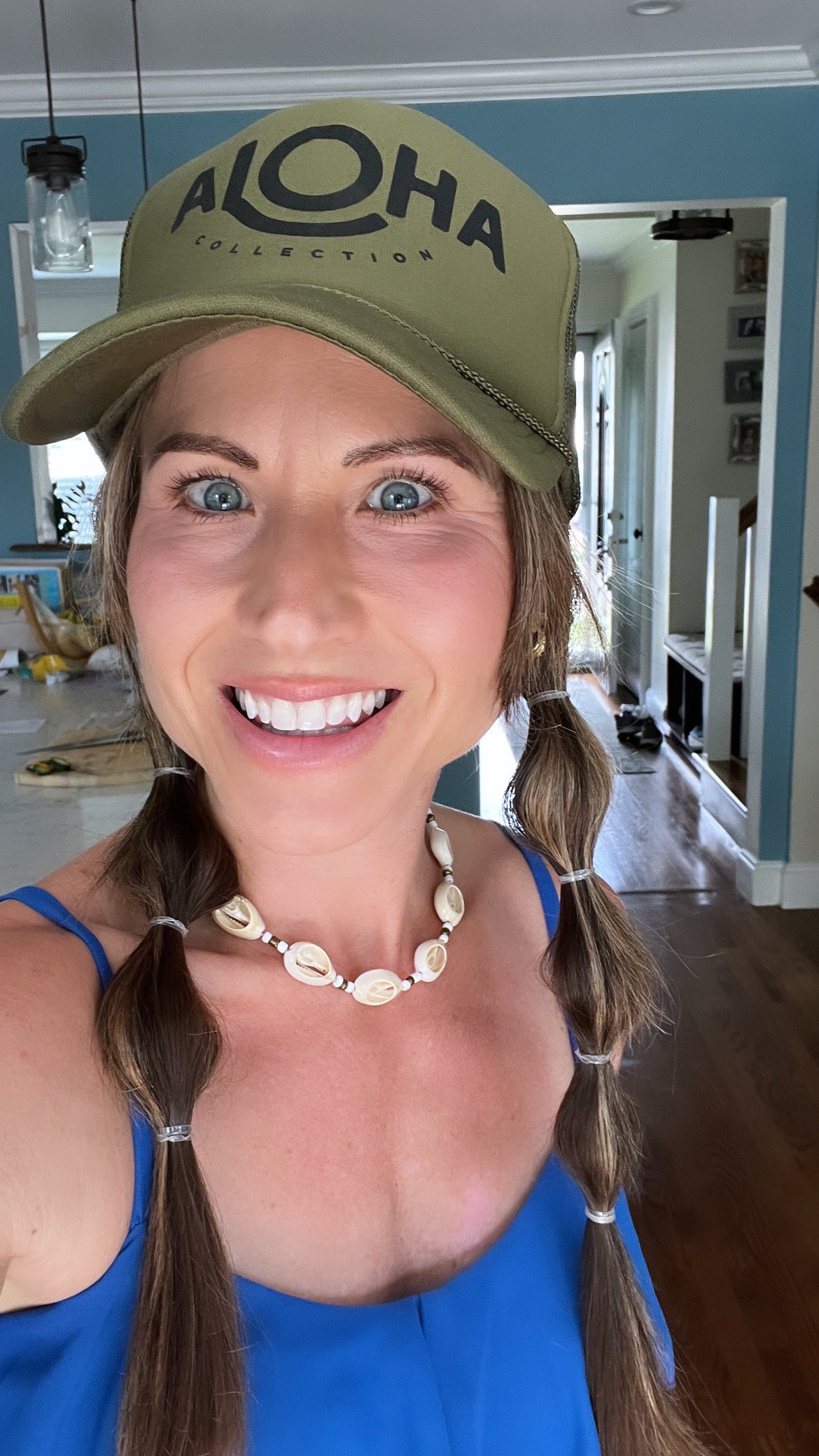
Bubble braids! First of all, why didn't anyone tell me how FAST they are?! And easy! And so cute. And perfect for avoiding neck sweat hair stick on humid days. I'll be keeping these in the rotation.
These hats are a Summer staple for me -- pool, beach, BBQ (or do you say cookout?), workouts. It works with hair down, low ponytails, medium, high, buns. Everything! Even my new bubble braid friends. I have them in 4-5 colors / patterns.
This supplement. What started out as a young gym bro supplement turns out to be more important for the midlife women and beyond! I take 5g a day and I think that will go up over time. I'd also likely increase the dose in certain circumstances (a terrible night sleep, very mentally stressful day, maybe after a brain injury). I'm not telling you what to do. Just sharing what I do as a 43-year old woman.